Originally, I plan to introduce male and female shama together at around end of March, 2011; however, with my current work travel schedule to the East Coast in early March and with too many birds for my brother to take care of, I decide to introduce 3 out of 4 pairs together during this weekend so that my brother won't have to spend much time feeding them. After few days of letting the male see the female through separate cage, I introduce the male into the female breeding aviary on morning of Saturday. By the end of Sunday afternoon, two pairs out of three seems compatible with each other and the last pair is instantly fall in love with each other :)).
This year I will do inbreeding for two pairs to see if their offspring will have desire or bad traits. Plus I also introduce new blood line which supposedly came from Taiwan.
Current Update News

Sunday, February 27, 2011


Saturday, February 5, 2011
Recapture a spotted dove (Chinese laceneck dove)
I acquired a pair of spotted dove (Streptopelia chinensis chinensis) about 2 months ago from a good friend of mine and keep them in a wired cage 30in x 24in x24in. I plan to build an aviary for them within this month with intention to breed them again in the Spring as I had successful of breeding spotted dove before. Few days ago, while open a door to put in the seeds, one of the spotted dove sudden flew around and escape the cage. As I watch the female spotted dove flew away, the male spotted dove starts to call. I thought that I lost that female dove and have to find a replacement if I want to continue with the breeding project. I put seeds on the feeding tray right outside of the cage just in case the dove decide to come back. The male dove calls frequently during the two days his mate is missing. Two days later, yesterday afternoon, I saw the female spotted dove eating on the feeding tray that I put outside the cage. I wait and wait and I can see that the female dove did not want to fly away any more and just stay outside right in front of her mate's cage. When the sun is completely down, the female dove stay on top of the cage and sleep there. About a hour after dark, I walk slowly toward the dove and using the net, I finally caught her. It's a joyful moment for me :) I wonder if the male happens to fly away in this case, does the male dove come back?
Thursday, January 27, 2011
2011 white rumped shama breeding season is near
Here in beautiful SoCal, the breeding season for songbirds/ softbills is about to start in just about a month or two. Conditioning the birds to be ready for breeding is very important and for those who interest in breeding white rumped shama or any other tropical songbirds, it should start now. Of course, if the birds are feed with high quality diet all year round, then just provide the birds with a bit extra nutrients than normal would be suffice; otherwise, this is the time to improve on the health status of the birds before the breeding season begin.
This year, I probably start the breeding season for white rumped shama a bit later than last year due to busy with work schedule and kind of weir weather here lately. Plus, I start on concentrate on quality than quantity, hehe....
This year, I probably start the breeding season for white rumped shama a bit later than last year due to busy with work schedule and kind of weir weather here lately. Plus, I start on concentrate on quality than quantity, hehe....
Friday, December 24, 2010
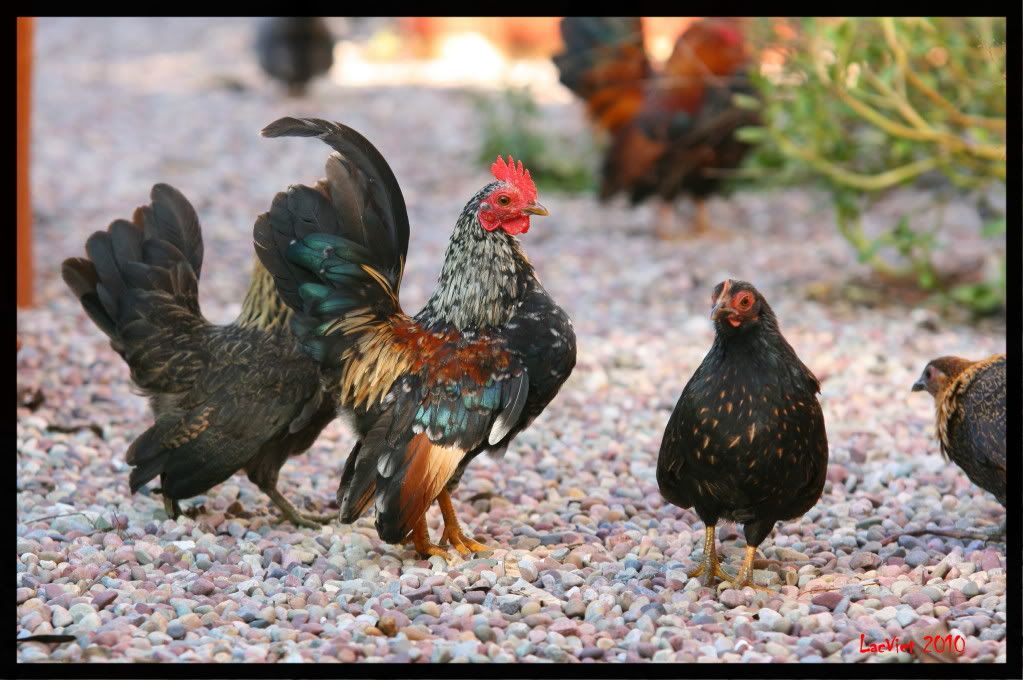
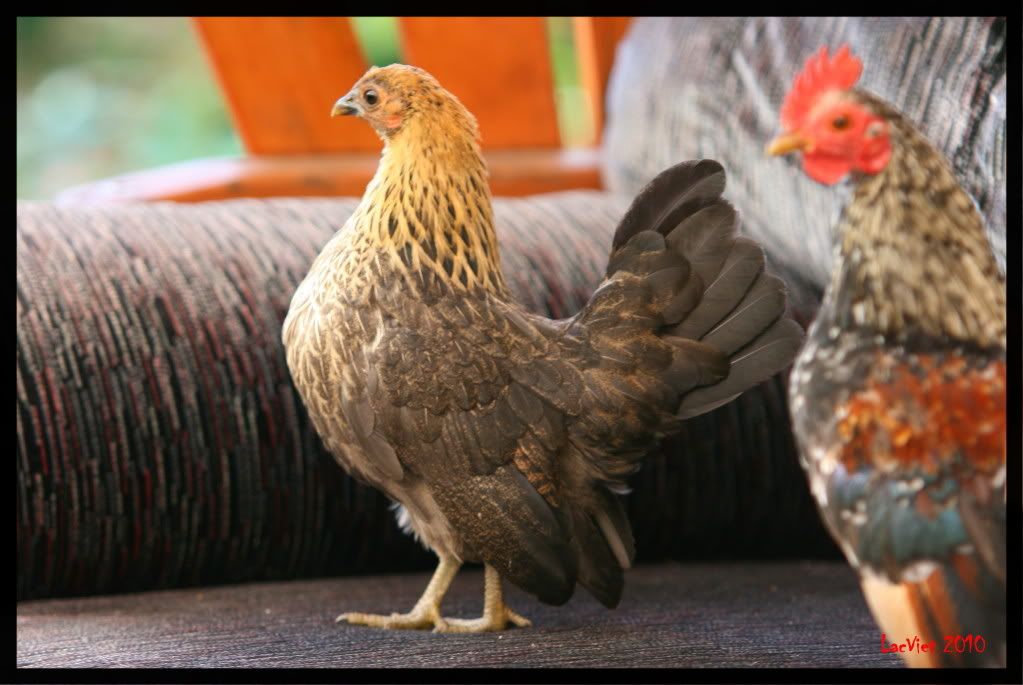
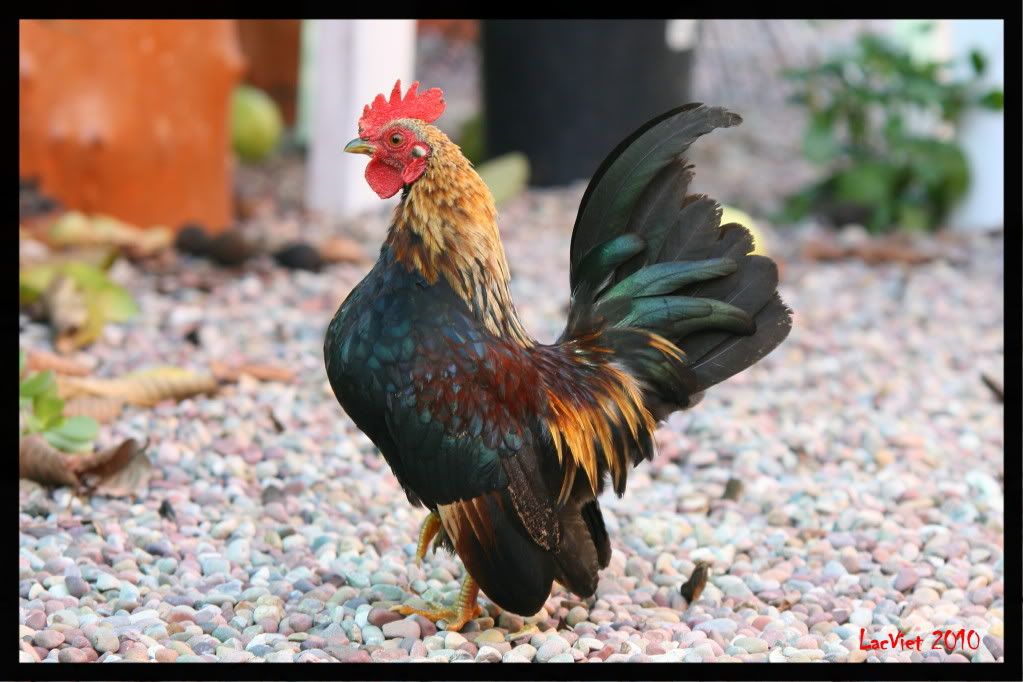
4 months old Serama chicks
These cooks and hens are about 4 months old. They have potential to become a better quality Serama, but overall, they are more pets quality than show quality Serama.
A pair of the Mourning Dove (Zenaida macroura) visit every morning to eat Serana's left over food.
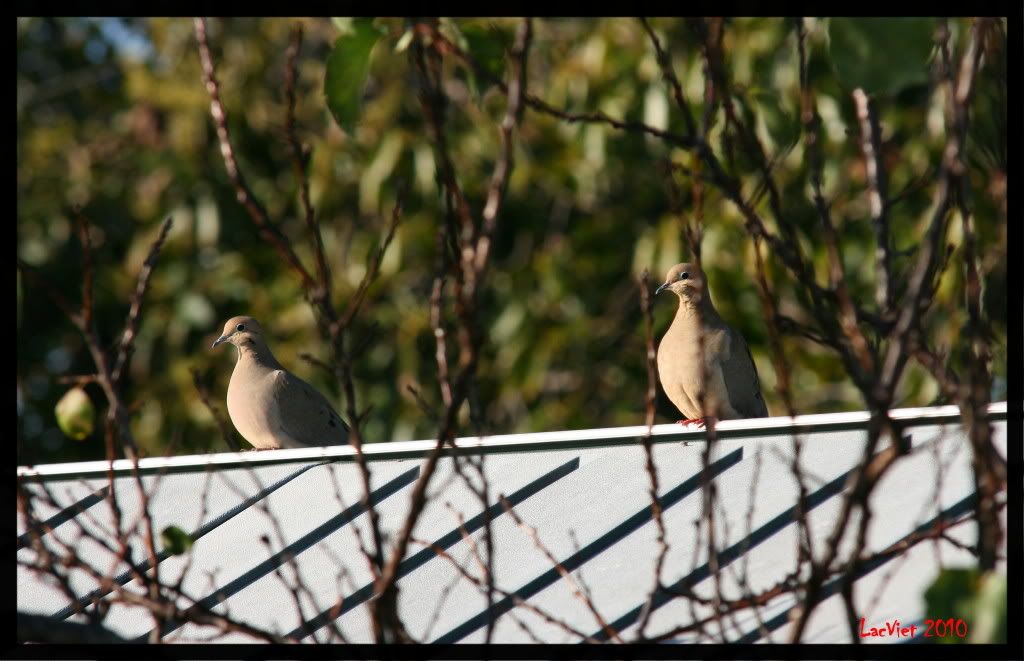
A pair of the Mourning Dove (Zenaida macroura) visit every morning to eat Serana's left over food.
Saturday, November 13, 2010
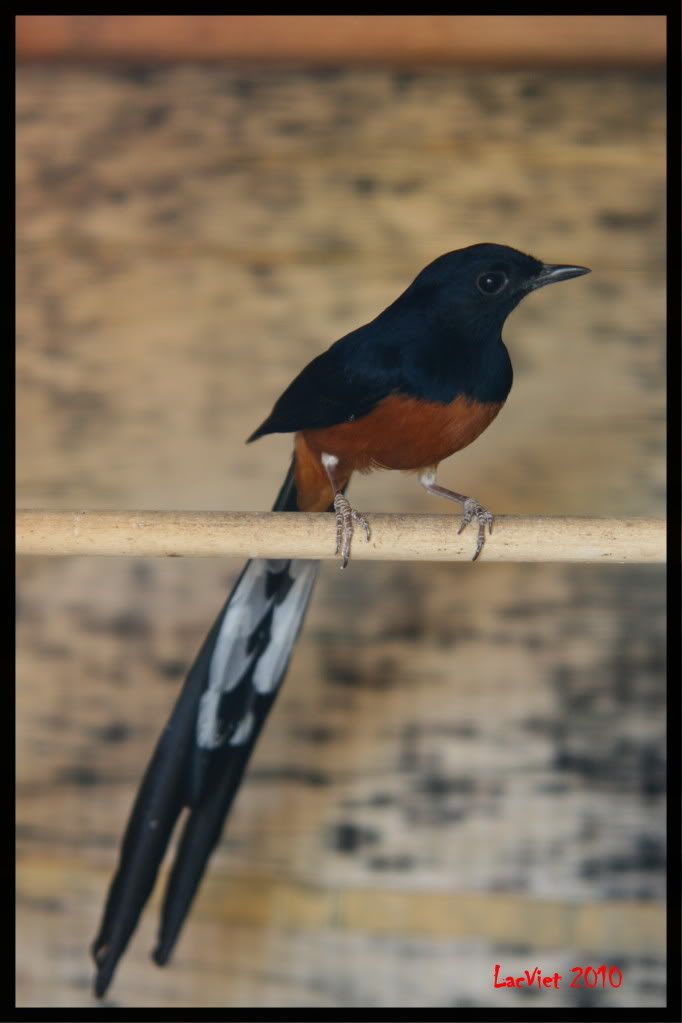
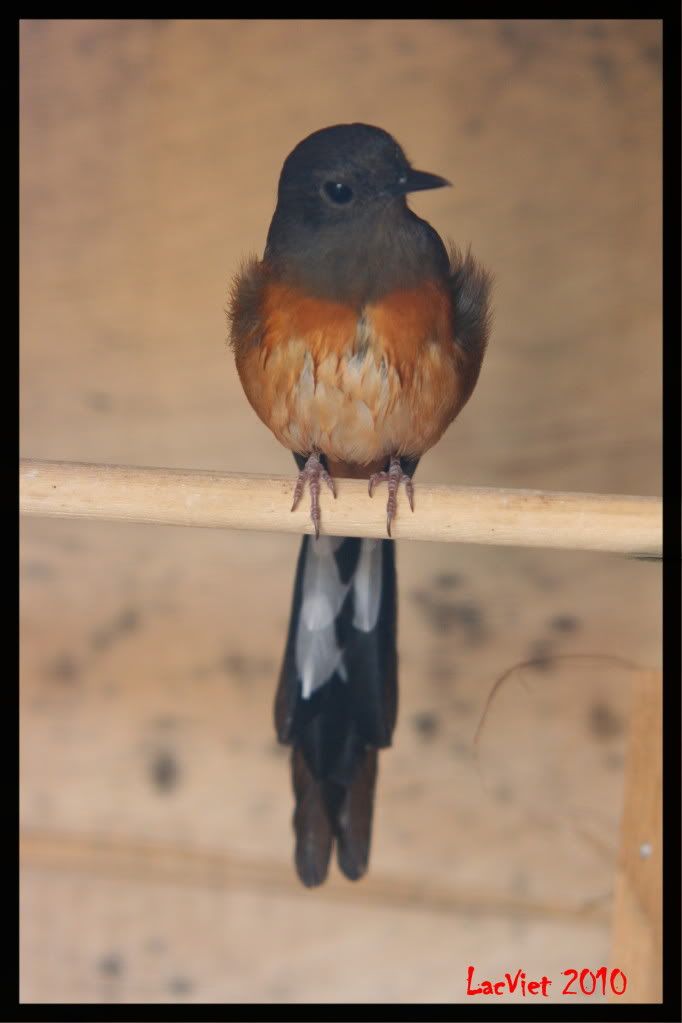
White-rumped shama chicks of 2010 season
Both of them is almost or just finish their first molt
Male 6 months old
Female, also around 6 months old
Male 6 months old
Female, also around 6 months old
Thursday, November 4, 2010

Tuesday, November 2, 2010
Summary of the 2010 season
This season overall is a good year for me as I am able to have a pair of young chick that have the same or might be better than their parents in term of body shape and tail length. Compare to my friends and everyone else who breeds white rumped shama in the world, my birds are just normal with not thing special but to me they are the best breeding stock I can have at the moment. The best male I have had 8.5in in tail length at his 2nd year. After this molting season, I hope he can attain 9in in tail length. The best female has tail length at 5in. I hope this pair will be the foundation for breeding longer tail shama.
I have lots of babies this year, but also lost quite a few babies starting around mid toward the end of season due to possible virus infected cricket stock that happened here in the US.
I lost one baby male chick that have lots of potential due to predator (hawk).
I also lost the first female shama that produced 7 clutches of eggs two year in a row with lots of babies. Her death is due to my carelessness and sudden cold temperature/ heavy rain right around when she began to molt.
There are only two of the four chicks of the last clutch of the season survive until now. It will be another month or so before they begin to enter molting process.
All my birds are nearly finish or just finish their molting cycle. With the improvement in heat lamp inside each aviary and better protection from rain and predators, I hope next year I won't have any mishap like this year again.
I have lots of babies this year, but also lost quite a few babies starting around mid toward the end of season due to possible virus infected cricket stock that happened here in the US.
I lost one baby male chick that have lots of potential due to predator (hawk).
I also lost the first female shama that produced 7 clutches of eggs two year in a row with lots of babies. Her death is due to my carelessness and sudden cold temperature/ heavy rain right around when she began to molt.
There are only two of the four chicks of the last clutch of the season survive until now. It will be another month or so before they begin to enter molting process.
All my birds are nearly finish or just finish their molting cycle. With the improvement in heat lamp inside each aviary and better protection from rain and predators, I hope next year I won't have any mishap like this year again.
Wednesday, September 29, 2010
Saturday, September 25, 2010
Fall begins yet they are still breeding
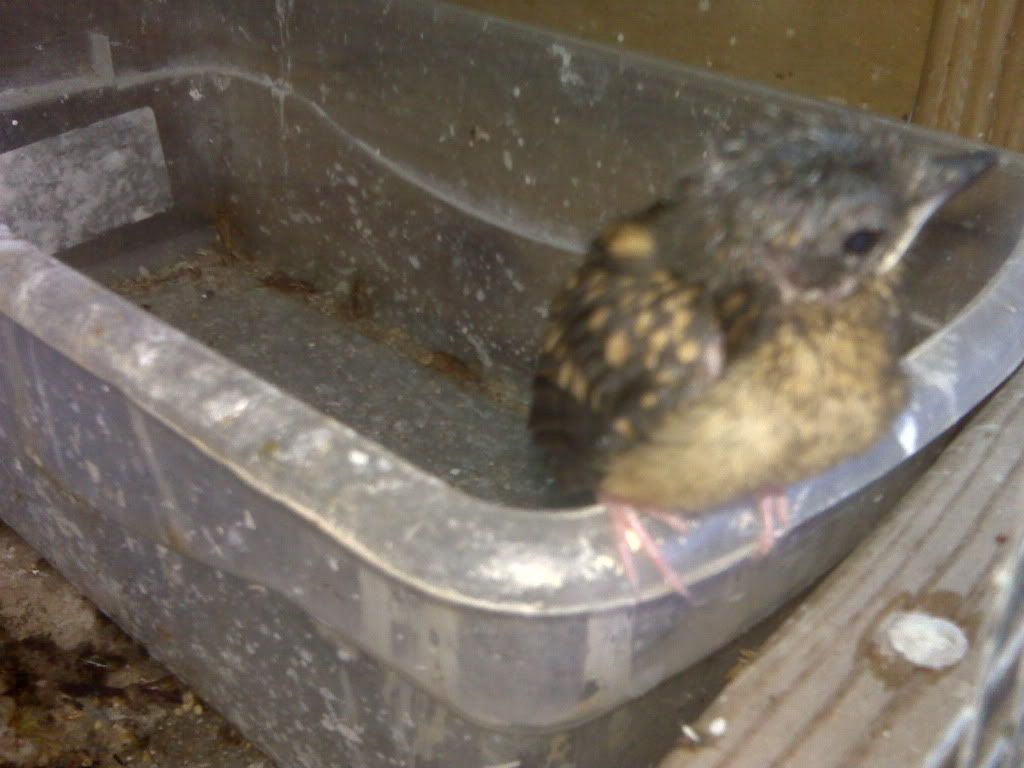
Fall season official starts few days ago and to my surprise I recently found out that one of my breeding shama pair has few chicks in their nest. For the last two weeks, I think the breeding season is over and with busy schedule, I didn't watch the birds much except come out to feed and change water. I noticed few empty egg shells on the aviary floor last week but just think they are from previous clutch and the bird just moving them around. Few days ago, I start to hear the chick call and the parents bring food to the nest. So excited! The parents starts to show sign of molting yet still be a dedicate parents and feed their chicks constantly. I love keeping White-rumped shama! :)
Subscribe to:
Posts (Atom)
 |